


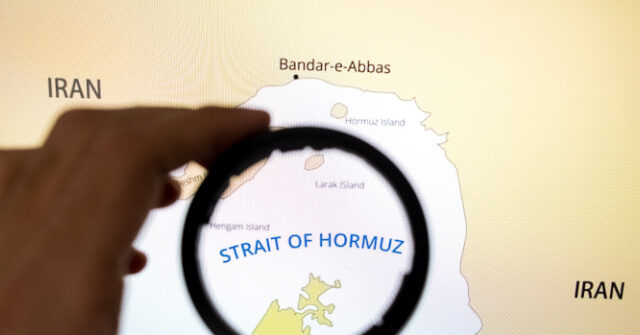
Iran reportedly told Trump advisers the Strait of Hormuz attacks were the work of a rogue hardline group and not a deliberate government decision.
Iran has reportedly told the Trump administration behind closed doors that the attacks on commercial vessels in the Strait of Hormuz were not intended as official government action and were instead carried out by a rogue hardline faction seeking to derail ongoing negotiations, according to senior U.S. officials cited by CBS News senior White House reporter Jennifer Jacobs.
The White House, however, is pushing Tehran to publicly admit it was responsible, arguing the incident breached the ceasefire agreement. Despite the incident, President Donald Trump has instructed Vice President JD Vance, Jared Kushner, Steve Witkoff, and Secretary of State Marco Rubio to press ahead with diplomatic talks, which are expected to take place in Oman.
U.S. officials also warned that Washington is prepared to use both military force and economic pressure if Iran launches further hostile actions.
The United States and Iran appear to be steering back toward the Memorandum of Understanding despite recent military action, after U.S. forces struck Iranian military targets following Trump’s confirmation that the ceasefire had ended.
According to Axios reporter Barak Ravid, Qatari officials traveled to Tehran in coordination with Washington to hold talks with Iranian leaders aimed at easing tensions and reopening negotiations. A diplomat familiar with the discussions said the meetings were still underway but indicated both Washington and Tehran are looking to return to the framework outlined in the MOU.
“Qatari negotiators have travelled to Iran, in coordination with the US, to meet with Iranian officials in an effort to de-escalate the situation and create the conditions for negotiations to resume, according to a diplomat with knowledge of the visit,” said in a post on X. “The diplomat said meetings in Tehran between Qatari and Iranian officials are still ongoing, ‘but it’s clear both sides want to come back to the MOU.’”
Read the full article here