


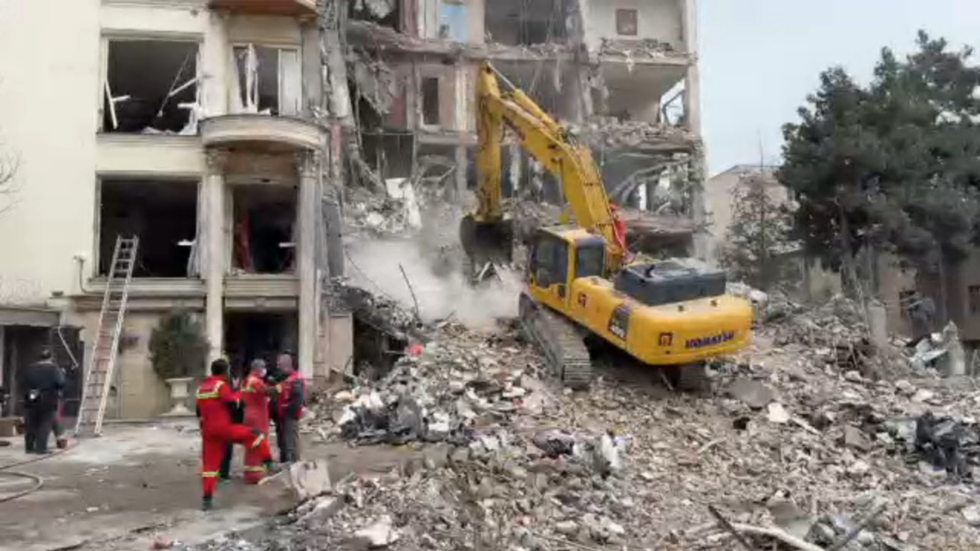
The US president claimed two days of talks led to his order to postpone strikes on Iranian energy facilities but Tehran has denied any discussions have taken place
US President Donald Trump has said he has ordered the Department of War to postpone strikes on Iranian power plants for five days, following what he claimed were “productive conversations” between Washington and Tehran.
While Iranian media has denied outright that any talks with the American side took place at all, footage has emerged of significant blackouts affecting the Iranian capital on Sunday night.
Trump had upped the ante over the weekend, threatening strikes on Iranian energy facilities if Tehran did not lift its threat to shipping in the Strait of Hormuz, to which Iran responded by publishing a list of power stations and energy facilities across the Gulf that it would target.
Iran has kept the vital shipping route closed to most vessels since February 28, when the US and Israel launched the first wave of strikes against the country.
International markets have responded predictably to the first sign of de-escalation in the four-week war.
Meanwhile Israel is expanding ground operations against Hezbollah in southern Lebanon, where the IDF has destroyed several bridges across the strategic Litani River.
At least 1,444 people have been killed and 18,551 injured in US-Israeli attacks on Iran since February 28, the country’s Health Ministry has said.
READ MORE:
America’s war with Iran could destroy NATO from within
Iran’s retaliatory strikes killed 15 people in Israel and seven US service members at bases in the region. A further six US service members were killed in a crash involving a refueling aircraft.
Here are the latest developments:
- Trump has announced that he has called off strikes targeting Iranian energy facilities, following alleged “productive conversations” with Tehran.
- Tehran has denied that any conversations have taken place with the US.
- Trump’s announcement coincided with significant losses on European markets and triggered an ongoing bounce, as well as a 10% drop in the price of crude oil.
- Iran has kept the crucial waterway largely closed to vessels linked to the US and Israel since the outbreak of the war. The disruption – affecting a route carrying roughly one-fifth of global oil supplies – has already pushed crude prices higher and heightened concerns over a prolonged global supply shock.
Follow our live coverage below for continuous updates. You can also read our previous updates here.
You can share this story on social media:


Read the full article here